Swarming (bees)

Definition and stakes

John Cumming,  Bee-Keeping (1864)

“ Bees are perfectly harmless in swarming. But of course any attempt to drive them off from their queen by violence never can be made with impunity.
But in the swarming season it is most expedient that nobody but their bee-master should take any share in hiving a swarm; for so nervous are most people at the presence of ten thousand stings, that they will indiscreetly and ignorantly irritate such members of the young family as may accidentally alight on them.
”
Source: Gutenberg

M. Quinby,  Mysteries of Bee-keeping Explained

“ It has been argued by some, and with much reason, that "nature is the best guide, and it is better to let the bees have their own way about swarming—if honey is abundant, and the stock is in condition to spare a swarm, their own instincts will teach them to construct royal cells; if it fails before they are ready, and the royal brood is destroyed, it is because the existence of the swarm would be precarious, and it is best not to issue." ”
Source: Gutenberg

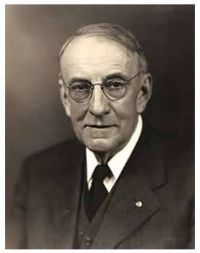
Portrait of Everett Franklin Phillips Everett Franklin Phillips,  Bees

“ If uniting can be done during a honey flow, there is less danger of loss of bees by fighting, or if done in cool weather, when the bees are not actively rearing brood, the colony odors are diminished and the danger is reduced.
It is an easy matter to unite two or more weak swarms to make one strong one, for during swarming the bees have lost their memory of the old location, are full of honey, and are easily placed wherever the bee keeper wishes. They may simply be thrown together in front of a hive. Swarms may also be given to a newly established colony with little difficulty.
”
Source: Gutenberg

Get perspective with Kwize: daily news enlightened by great literature