Carl Gotthilf Büttner

Biographical details

Carl Gotthilf Büttner,  Popular Science Monthly (1883)

“ The pasturage is free for the teamster's hungry cattle, the wood for the fire needed to cook his supper. If a stray spark sets the grass on fire, no one thinks of complaining; if a hunter commits devastation among the game, the native may grumble at the waste, but he will not imagine that his rights are trespassed upon, or venture to interfere with the proceedings. The game is as much the strange hunter's as his. If one sees a spot that pleases him, he is at liberty to settle upon it, and build himself a house there. ”
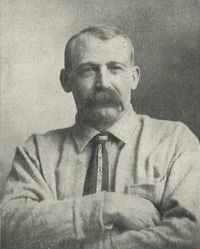
Source: Wikisource

Carl Gotthilf Büttner,  Popular Science Monthly (1883)

“ By its operation, when a chief dies and leaves a family of minors, his whole personal estate goes, not to his widow and children, but to the nearest man of might in the family. The cattle and servants become his, and the widow and children become his wife and children, the latter on an equal footing with his own children, so precisely that the language of the country has no word for step-father and step-child. ”
Source: Wikisource

Carl Gotthilf Büttner,  Popular Science Monthly (1883)

“ This communism extends to all the productions of the earth that have not been separated from it. Whatever a man has put his hand upon, that becomes his private property. Whoever takes from a man anything that he has appropriated to his own use, is a thief. Game, free in the fields, belongs to whoever can kill it; but to take it away from a hunter who has bagged it is a theft, or robbery. In Damara law even game which has only been hit, and has afterward been killed by some one else, belongs to the hunter who first hit it, although he is expected to give a share of it to the other one. ”
Source: Wikisource

Get perspective with Kwize: daily news enlightened by great literature