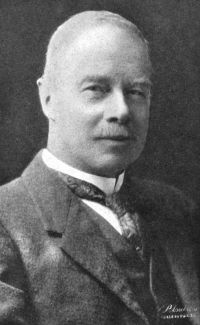
Ernest Edward Austen

Biographical details

Ernest Edward Austen,  1911 Encyclopædia Britannica, Volume 8… (1911)

“ That Diptera of the type of the common house-fly are often in large measure responsible for the spread of such diseases as cholera and enteric fever is undeniable, and as regards blood-sucking forms, in addition to those to which reference has already been made, it is sufficient to mention the vast army of pests constituted by the midges, sand-flies, horse-flies, &c., from the attacks of which domestic animals suffer equally with man, in addition to being frequently infested with the larvae of the bot and warble flies (Gastrophilus, Oestrus and Hypoderma) . ”
Source: Wikisource

Ernest Edward Austen,  1911 Encyclopædia Britannica, Volume 18… (1911)

“ The old genus Anopheles (characterized by the palpi being long in both sexes) is now divided into a number of genera according to the character and shape of the scales on the different regions of the body and on the wings. These genera make up the sub-family Anophelinae, and together include over 100 species. The genus Culex, from which the family takes its name, though it has been similarly split up, is still in its restricted sense larger than any other, and some 200 species are comprised in it alone.
Mosquitoes are found in all parts of the world.
”
Source: Wikisource

Ernest Edward Austen,  1911 Encyclopædia Britannica, Volume 8… (1911)

“ It may confidently be asserted that, of insects which directly or indirectly affect the welfare of man, Diptera form the vast majority, and it is a moot point whether the good effected by many species in the rapid clearing away of animal and vegetable impurities, and in keeping other insect enemies in check, counterbalances the evil and annoyance wrought by a large section of the Order. ”
Source: Wikisource

Get perspective with Kwize: daily news enlightened by great literature