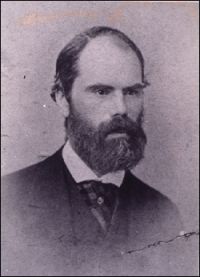
Howard M. Chapin

Biographical details

Howard M. Chapin How to Enamel

STONING After a piece of enamel has been fired, it is often found that too much enamel has been used, that is, that the enamel may have run over the edge of the part to be enameled, or it may not present a smooth surface but instead consist of a series of humps, or, especially in the case of transparent enamels, it may be on in such layers that the color is deepened or even lost entirely.
Source: Gutenberg

Howard M. Chapin How to Enamel

If red enamel is to be used, the metal should always be either wriggled or engine turned or else have some design cut sharply in it, in order to bring out the brilliancy of the color. Engine turning and sharp engraving or relief in the metal background will always enhance the brilliancy and give an additional sheen to any transparent colors. As the depth of the enamel layer has a great deal to do with the shade of the enamel, different effects can be obtained, even when only one enamel is used, if the 13metal background has been cut lower in some places than in others.
Source: Gutenberg

Howard M. Chapin How to Enamel

If too hot a muffle is used, or if the piece is fired too long, the painting will appear blurred and faint. If the painting appears blistered after firing, it is due to the fact that the oils used contained too much carbonaceous residue.
The fondant used on an enamel painting should be very finely ground, much more so than for ordinary work, and the first layer of fondant should not be fired to smoothness but only until it just begins to flow, as was the case with the painting itself. The last layer of fondant should of course be fired as smooth as possible.
Source: Gutenberg

Get perspective with Kwize: daily news enlightened by great literature