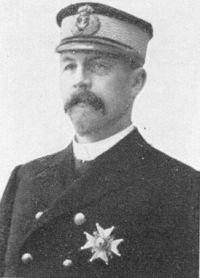
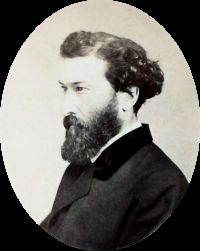
John N. Raphael

Biographical details

John N. Raphael,  The Caillaux Drama

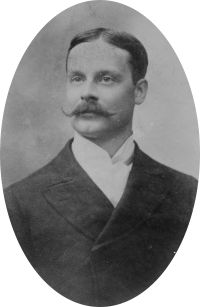
“ THE STORY OF THE DRAMA Late on Monday afternoon, March 16, 1914, a rumour fired imaginations, like a train of gunpowder, all over Paris. In newspaper offices, in cafés, in clubs, people asked one another whether they had heard the news and whether the news were true. It seemed incredible. The wife of the Minister of Finance, said rumour, Madame Joseph Caillaux, one of the spoiled children of Paris society, had gone to the office of the Figaro, had waited there an hour or more for the managing editor, Monsieur Gaston Calmette, had been received by him, and had shot him dead in his own office. ”
Source: Gutenberg

John N. Raphael,  The Caillaux Drama

“ Nobody will deny that Madame Caillaux deserves punishment, but if those who are working every day to embitter public feeling against her would only pause to think, and would leave political considerations on one side for a moment, they would realize that their campaign is an insult to their own judges, their own juries, and their own legal system. France boasts of its liberty. Whenever a sensational case occurs, and public feelings are stirred, that liberty is allowed to degenerate into licence, and to disagree with the howl of the reactionary Press is to ask for abuse. ”
Source: Gutenberg

John N. Raphael,  The Caillaux Drama

“ We have seen the prisoner, in a state of semi-collapse as a rule, going out through the door of the dock to the room behind it, where, on this last evening of the trial, the prisoner is allowed to wait for the verdict which is to be rendered before her return. We feel the relief that one feels when the fighting is over, mingled with suspense and with pity for the wretched creature who is waiting and is wondering. We realize that we are hungry, and rush off to get a little food. ”
Source: Gutenberg

Get perspective with Kwize: daily news enlightened by great literature