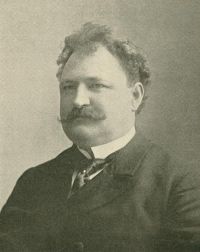
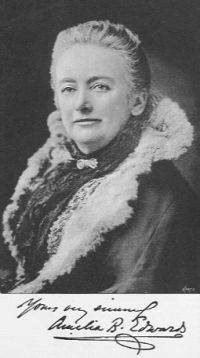
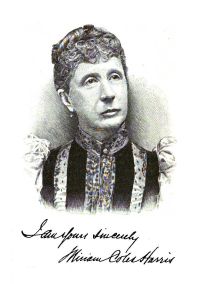
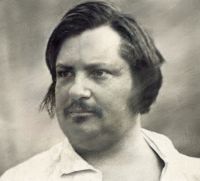
Figaro, a shrewd and lively servant from Beaumarchais’s The Marriage of Figaro, embodies intelligence, social commentary, and perseverance. Authors such as Beaumarchais, Krehbiel, and Balzac examine his role as a subversive character who challenges established authority, as demonstrated through his incisive exchanges with the Count and Countess.
His appearance in operas and novels highlights his versatility, ranging from a comedic sidekick to a representation of human creativity. Whether in Beaumarchais’s original works or their literary reinterpretations, Figaro’s lasting appeal stems from his capacity to maneuver through societal restrictions with wit and resistance, mirroring enduring conflicts between class structures and personal autonomy.