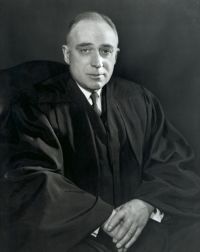
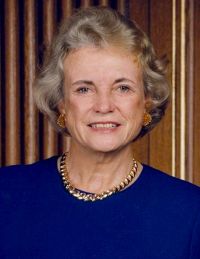
Mack Kidd, B. A. Smith and Yeakel, Justices

Biographical details

Mack Kidd, B. A. Smith and Yeakel, Justices Comptroller of Public Accounts v…

As the American Ethical Union, an umbrella group for Ethical Culture, reports, "The Ethical Societies have no creed of theology or metaphysics, no set doctrines concerning the unknown mysteries of life. There is no claim to a belief in a supernatural universe or Supreme Being." Consequently, members of the Ethical Society were reluctant to testify that the society was a "religion" under the Comptroller's definition because, for them, it dealt with human relationships.
Source: Wikisource

Mack Kidd, B. A. Smith and Yeakel, Justices Comptroller of Public Accounts v…

Serious contemplation of the supreme court's commitment to protecting the full range of religious belief, as expressed in Seeger, requires us to reject the proposition that a narrowly defined "Supreme Being" test can account for the broad range of religious faith protected by the First Amendment. Although the Ethical Society's tenets and beliefs may not explicitly reference a divinity, they evidence enough of a sense of spiritual feeling that the Society's claim to religious status should be carefully assessed.
Source: Wikisource

Mack Kidd, B. A. Smith and Yeakel, Justices Comptroller of Public Accounts v…

Thus, according to the Ethical Union, any attempt to reduce its principles to a specific creed would violate its adherents' ability to articulate truth and goodness through the practices of Ethical Culture. Some Ethical Culture documents include injunctions to "treat each other as ends, not merely as means," that "self-reflection and our social nature require us to shape a more humane world," and that "life itself inspires religious response." Books and essays on Ethical Culture and its practice have been routinely published over the more than a century during which the movement has existed.
Source: Wikisource

Get perspective with Kwize: daily news enlightened by great literature