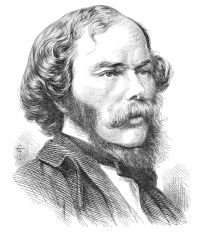
In project management, scope refers to the defined characteristics of a product or the work necessary to complete a project, differentiating between product scope (functional requirements) and project scope (methodological execution). Authors such as Henry Adams associated scope with the mind's growing engagement with nature, while Francis Bacon viewed it as the purpose of knowledge—to improve human life through discovery.
William James recognized its boundaries in psychology, highlighting gradual progress, and Ralph Waldo Emerson tied it to the mind's pursuit of comprehensive understanding. These viewpoints emphasize scope's dual function as both a structural foundation and a dynamic influence shaping human effort.
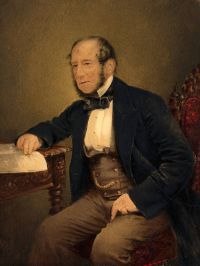 Henry Adams,
The Education of Henry Adams
(1906)
Henry Adams,
The Education of Henry Adams
(1906)