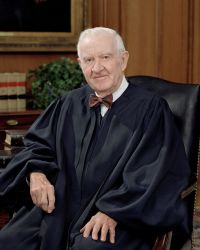
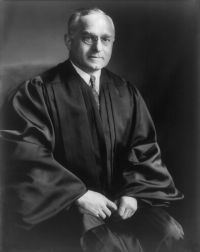
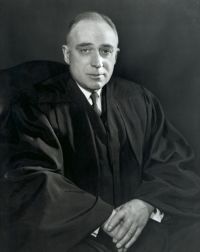
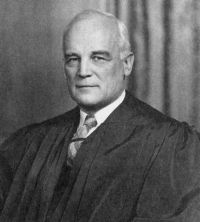
Tax exemption refers to the legal relief from paying taxes on income, property, or transactions, often granted to specific entities or individuals. It differs from deductions and exclusions, covering situations such as charitable organizations' immunity or veterans' benefits. Legal scholars such as Dan Smoot advocated for congressional oversight of exemptions, while Owen J.
Roberts focused on the constitutional constraints regarding the taxation of governmental agencies. John Paul Stevens observed that exemptions operate as subsidies, and critics pointed out their potential for inequity. The theme illustrates a complex interaction between legal principles, fiscal policy, and societal priorities, influenced by judicial rulings and legislative frameworks.