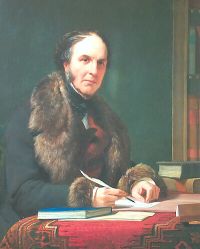
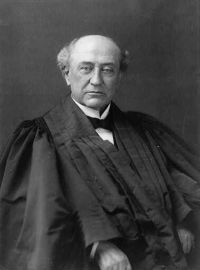
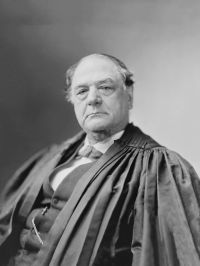
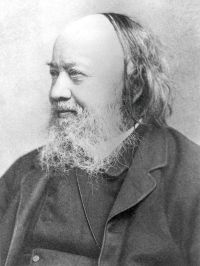
Legal relief refers to the judicial remedies provided to individuals to correct legal wrongs or enforce their rights. This concept has been examined by scholars and jurists such as John Stuart Mill, who emphasized the compatibility of Poor Laws with the interests of the laboring class, and Nassau William Senior, who outlined the limits of legal settlement rights linked to parish endowments.
Judges like Noah Haynes Swayne and David Josiah Brewer highlighted the time-sensitive and procedural limitations surrounding equitable remedies, while Edwin Chadwick confined legal assistance to cases involving poverty. Contemporary decisions, such as those by Albie Sachs, emphasize constitutional requirements for particular relief when rights are violated. These varied viewpoints illustrate legal relief as a flexible framework that balances material needs, procedural standards, and the changing dimensions of legal entitlements.
 John Stuart Mill,
Principles of Political Economy
(1871)
John Stuart Mill,
Principles of Political Economy
(1871)