“ A straggling line of bedraggled, dirty, unshaven men shuffled into a wire enclosure set along the right wall of the courtroom. Crushed men—weary, lifeless, resigned to a life without hope—they filed into the pen and slumped onto the wooden benches that were placed lengthwise in three rows in the oblong cage. Their shoulders drooped in beaten curves. Their heads were bowed.The man in front turned around and nudged Julie's knee. His triumphant smile was an obscenity. "Call those men?" He laughed and winked at Stan, then turned back to the front of the court to watch the preliminary proceedings. ”
Norman Arkawy
Biographical details
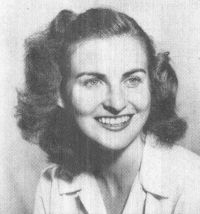
Norman Arkawy is a versatile author whose works examine societal hierarchies, human-machine interactions, and systemic inequities. His novels—Selling Point, Once a First Wife, Peace, and Night Court—delve into themes of identity, gender roles, and the moral challenges posed by technological advancement.
In Peace, he imagines interplanetary governance as a commentary on human conflict, while Night Court depicts marginalized individuals within a dehumanizing legal framework. Arkawy’s narratives, distinguished by sharp social analysis and psychological insight, reflect an interest in the struggle between personal autonomy and institutional authority, merging speculative fiction with existential exploration.
Quotes by Norman Arkawy
“ Citizens of Earth, here is your future: You are welcomed as equals in a union with Venus. For a time, until you have learned how to govern yourselves peacefully, your planet will be directed by Venusian administrators. But even now—immediately—you shall be accorded the same rights and privileges that the citizens of Venus enjoy.And you shall have peace! Perhaps you should be thankful for the last terrible war which your leaders brought upon you, for as a result of it, you shall no longer know the meaning of war.Of course, citizens have duties as well as rights. ”
Norman Arkawy, Selling Point (1955)
“ Ira bent his head and brushed his sensitized cheek against her hair. He felt emotions that no robot should feel.He silently cursed his makers and the wonderfully human brain they had given him. Their theory was that a salesman, to be effective, should think exactly like a human being. To better satisfy the customers, he should appreciate every human drive and desire. But it was wrong to feel like a man, to desire like a man, to hurt like a man and be unable to ease the pain because he was not a man! ”