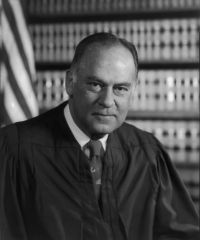
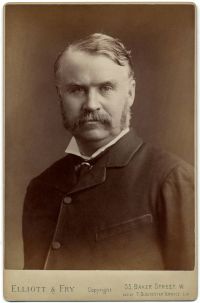
The courtroom, a space where legal procedures and human drama intersect, functions as a central location for examining justice, order, and societal values. From the constitutional principles emphasized by justices like William J. Brennan, Jr.—who stressed the importance of dignity and propriety in trials—to the vivid portrayals of overcrowded, tense environments in works by Emma Dorothy Eliza Nevitte Southworth, writers have long explored this setting’s dual nature as both a functional institution and a stage for moral conflict.
Legal scholars such as Arthur Cheney Train have analyzed the tension between public access and judicial integrity, while judicial rulings in cases like Estes v. Texas underscored the courtroom’s symbolic significance in constitutional proceedings. These diverse viewpoints collectively illustrate the courtroom as a dynamic arena where law, ethics, and human behavior intersect.