W. D. O'Connor

Biographical details

W. D. O'Connor,  Popular Science Monthly (1879)

“ Thus, every night, along the ocean beaches, in moonlight, starlight, thick darkness, driving tempest, wind, rain, snow, or hail, a file of sentinels is strung out, steadily marching, on the lookout for endangered vessels. The duty is arduous, often terrible. Storm tides flooding the beach, quicksands, the bewildering snowfall, overwhelming blasts, bitter cold, are often conditions to the journey. ”
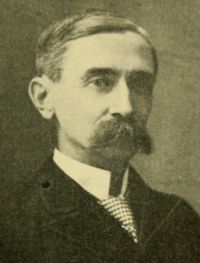
Source: Wikisource

W. D. O'Connor,  Popular Science Monthly (1879)

“ The patrolman then races to his station and brings the crew. The keeper knows by the state of the surf whether the boat can be used, or whether to resort to the life-car, or breeches-buoy. The boat always puts out if possible, this being the speediest mode of succor. If the surf be impassable, the wreck-gun casts its lariat over the wreck, the hawser and hauling-lines are set up, and the imperiled seafarers are drawn ashore. ”
Source: Wikisource

W. D. O'Connor,  Popular Science Monthly (1879)

“ Another mode of using the life-car is the following: By means of the shot-line, a single hauling-line, something more than the length of the distance of the wreck from the shore, is drawn on board, the end of it being made fast to a ring at one extremity of the life-car. To a ring at the other extremity a similar hauling-line is attached, the end of which remains on shore. By the first hauling-line the car is dragged out through the water, as a boat, by those on board, and, having received its load, is dragged back again through the water by the line handled by the men on land. ”
Source: Wikisource

Get perspective with Kwize: daily news enlightened by great literature