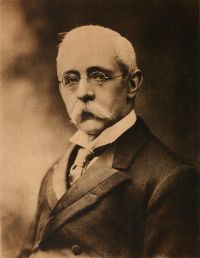
Wang Yinglin

Biographical details

Wang Yinglin,  San Tzu Ching (1900)

“ Chi is composed of 木 mu wood as radical (line 66) , with 幾 chi how many? as phonetic, and is rather the motive power than the machine itself, which is an extended sense.
Chu is composed of 木 mu wood as radical, with 予 yü I as phonetic, and is the shuttle for holding the thread of the woof (see title) . What Mencius' mother did was to exemplify to her son the disastrous effect of want of continuity in learning by snapping the thread of the woof.
”
Source: Wikisource

Wang Yinglin,  San Tzu Ching (1900)

“ Yüan is composed of the walking radical and a common phonetic.
It is not an authorised rhyme to shan in line 2, but is sufficient to produce the jingle which is such an important aid to memory. [Lines 3 and 4 are the ipsissima verba of Confucius, and form the chief dogma in Confucian ethics. It was vigorously upheld by Mencius (line 9) , and opposed by Hsün K'uang (line 172) of the 3rd cent. B.C. who held that the nature of man is radically evil, and also by Yang Hsiung (line 172) who taught that it is neither one nor the other but a mixture of the two.]
”
Source: Wikisource

Wang Yinglin,  San Tzu Ching (1900)

“ Ch'ung is composed of 山 shan hills as radical, and 宗 tsung ancestral as phonetic. It means high.
Chêng is composed of 示 shih divine manifestation as radical and 貞 chêng or chên chaste as phonetic. It means lucky, but here stands, with Ch'ung, for the title of the reign of the last Emperor of the Ming dynasty, who came to the throne in A.D. 1628.
”
Source: Wikisource

Get perspective with Kwize: daily news enlightened by great literature