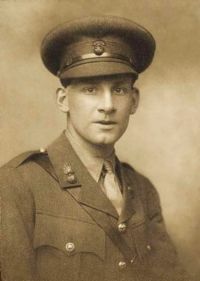
“ Is one too good to spare, too long? Spring wind would work its own way to my lung, And grow me legs as quick as lilac-shoots. My servant's lamed, but listen how he shouts! When I'm lugged out, he'll still be good for that. Here in this mummy-case, you know, I've thought How well I might have swept his floors for ever, I'd ask no night off when the bustle's over, Enjoying so the dirt. Who's prejudiced Against a grimed hand when his own's quite dust, Less live than specks that in the sun-shafts turn, Less warm than dust that mixes with arms' tan? ”
Wilfred Owen
Biographical details
.jpg)
Wilfred Edward Salter Owen (1893–1918), an English poet and soldier, stands as one of the most moving voices of the First World War. His stark, unflinching poetry, influenced by his mentor Siegfried Sassoon, revealed the brutal realities of trench warfare and gas attacks, challenging the romanticized depictions of battle.
Works such as Dulce et Decorum est, Anthem for Doomed Youth, and Strange Meeting highlight his concern with pain, death, and the pointlessness of war. Killed in action just weeks before the war’s end, Owen’s influence continues through his posthumously published poems, which remain vital critiques of militarism and human endurance.
Quotes by Wilfred Owen
“ They will be swift with swiftness of the tigress, None will break ranks, though nations trek from progress. Courage was mine, and I had mystery; Wisdom was mine, and I had mastery; To miss the march of this retreating world Into vain citadels that are not walled. Then, when much blood had clogged their chariot-wheels I would go up and wash them from sweet wells, Even with truths that lie too deep for taint. I would have poured my spirit without stint But not through wounds; not on the cess of war. Foreheads of men have bled where no wounds were. I am the enemy you killed, my friend. ”
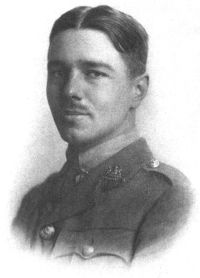 Wilfred Owen,
Poems by Wilfred Owen
(1920)
Wilfred Owen,
Poems by Wilfred Owen
(1920)
“ What passing-bells for these who die as cattle? Only the monstrous anger of the guns. Only the stuttering rifles' rapid rattle Can patter out their hasty orisons. No mockeries for them; no prayers nor bells, Nor any voice of mourning save the choirs,— The shrill, demented choirs of wailing shells; And bugles calling for them from sad shires. What candles may be held to speed them all? Not in the hands of boys, but in their eyes Shall shine the holy glimmers of goodbyes. The pallor of girls' brows shall be their pall; Their flowers the tenderness of patient minds, And each slow dusk a drawing-down of blinds. ”