Summary

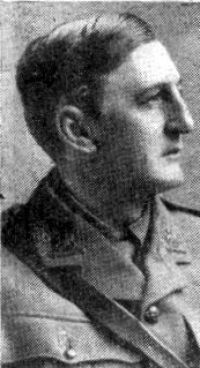
Portrait of A. E. W. Mason A. E. W. Mason The Four Feathers — X: The Wells of Obak (1902)

Fear had him in its grip on that morning three days after he had left Abou Fatma at the wells, when coming over a slope he first saw the sand stretched like a lagoon up to the dark brown walls of the town, and the overshadowing foliage of the big date palms rising on the Nile bank beyond. Within those walls were the crowded Dervishes. It was surely the merest madness for a man to imagine that he could escape detection there, even for an hour. Was it right, he began to ask, that a man should even try?
Source: Wikisource

Portrait of A. E. W. Mason A. E. W. Mason The Four Feathers — X: The Wells of Obak (1902)

On the deserted track between Berber and Suakin the wells of Obak are sunk deep amongst mounds of shifting sand. Eastward a belt of trees divides the dunes from a hard stony plain built upon with granite hills; westward the desert stretches for fifty-eight waterless miles to Mahobey and Berber on the Nile, a desert so flat that the merest tuft of grass knee-high seems at the distance of a mile a tree promising shade for a noonday halt, and a pile of stones no bigger than one might see by the side of any roadway in repair achieves the stature of a considerable hill.
Source: Wikisource

Portrait of A. E. W. Mason A. E. W. Mason The Four Feathers — X: The Wells of Obak (1902)

The Arab of the Bisharin who wrote the letter was Harry Feversham. Wearing the patched jubbeh of the Dervishes over his stained skin, his hair frizzed on the crown of his head and falling upon the nape of his neck in locks matted and gummed into the semblance of seaweed, he went about his search for Yusef through the wide streets of New Berber with its gaping pits. To the south, and separated by a mile or so of desert, lay the old town where Abou Fatma had slept one night and hidden the letters, a warren of ruined houses facing upon narrow alleys and winding streets.
Source: Wikisource

Get perspective with Kwize: daily news enlightened by great literature