Summary

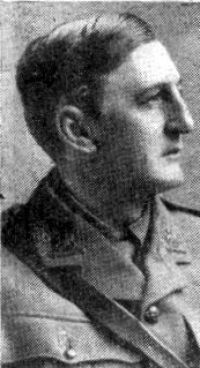
Portrait of A. E. W. Mason A. E. W. Mason The Four Feathers — XIII: Durrance Begins to See (1902)

Ethne looked at him with apprehension.
"Yes?" she replied, and she strove to speak with unconcern. "Will you tell me it?"
Durrance assented, and began in the deliberate voice of a man who has thought out his subject, knows it by heart, and has decided, moreover, the order of words by which it will be most lucidly developed.
"I know what blindness means to all men—a growing, narrowing egotism unless one is perpetually on one's guard. And will one be perpetually on one's guard? Blindness means that to all men," he repeated emphatically.
Source: Wikisource

Portrait of A. E. W. Mason A. E. W. Mason The Four Feathers — XIII: Durrance Begins to See (1902)

Marriage between a man crippled like myself, whose life is done, and a woman like you, active and young, whose life is in its flower, would be quite wrong unless each brought to it much more than friendship. It would be quite wrong if it implied a sacrifice for you."
"It implies no sacrifice," she answered firmly.
Durrance nodded. It was evident that the answer contented him, and Ethne felt that it was the intonation to which he listened rather than the words. His very attitude of concentration showed her that.
Source: Wikisource

Portrait of A. E. W. Mason A. E. W. Mason The Four Feathers — XIII: Durrance Begins to See (1902)

Durrance had lost everything which made life to him worth living the moment he went blind—everything, except one thing. "What should I do if I were crippled?" he had said to Harry Feversham on the morning when for the last time they had ridden together in the Row. "A clever man might put up with it. But what should I do if I had to sit in a chair all my days?" Ethne had not heard the words, but she understood the man well enough without them.
Source: Wikisource

Get perspective with Kwize: daily news enlightened by great literature