Summary

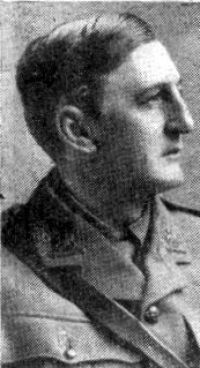
Portrait of A. E. W. Mason A. E. W. Mason The Four Feathers — XIX: Mrs. Adair Interferes (1902)

For in that way she thought of Willoughby's message. This morning she had regained him, and this evening the bad news had come and she had lost him, and most likely right to the very end of mortal life. Harry Feversham meant to pay for his fault to the uttermost scruple, and Ethne cried out against his thoroughness, which he had learned from no other than herself. "Surely," she thought, "he might have been content. In redeeming his honour in the eyes of one of the three he has done enough, he has redeemed it in the eyes of all."
Source: Wikisource

Portrait of A. E. W. Mason A. E. W. Mason The Four Feathers — XIX: Mrs. Adair Interferes (1902)

Adair searched his face in the moonlight for some evidence that he resented Ethne's secrecy. But she searched in vain.
"And that is all?" said Durrance.
"Not quite. Captain Willoughby brought a token from Mr. Feversham. Ethne carried it back to the house in her hand. Her eyes were upon it all the way, her lips smiled at it. I do not think there is anything half so precious to her in all the world."
Source: Wikisource

Portrait of A. E. W. Mason A. E. W. Mason The Four Feathers — XIX: Mrs. Adair Interferes (1902)

Mrs. Adair did not move. Durrance, upon his side, appeared to expect no answer or acknowledgment. He spoke with the voice of enjoyment which a man uses recounting difficulties which have ceased to hamper him, perplexities which have been long since unravelled.
"I should have definitely broken off our engagement, I suppose, at once. For I still believed, and as firmly as ever, that there must be more than friendship on both sides. But I had grown selfish. I warned you, Ethne, selfishness was the blind man's particular fault.
Source: Wikisource

Get perspective with Kwize: daily news enlightened by great literature