“ There was the silken slur of water washing the rode, and in another moment Willoughby was crowding the Chinese on the steps, for the water parted and a crested head was upreared, water dripping from fanged jaws, red tongue quivering, large glassy eyes regarding the two men on the steps with malevolent glaring. Coils of a serpent body upreared. Willoughby saw the great scales like iridescent metal plates. There was that threshing hiss of water, tremendous in the cavern walls. Willoughby's heart was pounding in his throat and wrist. Fear paralyzed him. ”
Willoughby
Definition and stakes
The literary concept of "Willoughby" emerges as a multifaceted motif, appearing in diverse contexts ranging from moral dilemmas to adventurous challenges. Authors such as Talbot Baines Reed explore it through schoolboy rivalries and ethical conflicts, as seen in The Willoughby Captains, where honor and camaraderie clash with personal ambition. Mrs.
Loudon’s Dilemmas of Pride portrays Willoughby as a figure grappling with the consequences of excess, while other excerpts depict him in tense, action-packed scenarios, such as a perilous encounter with a serpent. These varied portrayals underscore how the name encapsulates both human vulnerability and the drive of competition, reflecting its adaptability across genres and moral landscapes.
Quotes about “Willoughby”
Various, Punch, or the London Charivari…
“ On the pavement, his hand outstretched to open the car door, was he of the rasping voice.“This is the owner,” said Willoughby, and he laughed quietly to himself. He always giggles in a crisis. I could have kicked him. But at the moment I was hurriedly debating whether I could possibly escape by the door on the far side without being seen. “A small thin man might have done it,” I thought. But, alas! I am neither small nor thin.Then the door of the car opened and Willoughby stepped forth into the limelight, as it were. ”
 Talbot Baines Reed,
The Willoughby Captains
Talbot Baines Reed,
The Willoughby Captains
“ The honour of the school was in question, and he had no right to palter with that.Yet how could he deal thus with young Wyndham?—his friend’s brother, the fellow he cared for most in Willoughby, over whose struggles he had watched so anxiously, and for whom, now, better resolves and honest ambitions were opening up so cheery a prospect. How could he do it?Was there no chance that after all he might be mistaken? Alas! that cruel knife and the memory of that evening crushed out the hope. What could he do? To do nothing would be simply adding his own crime to that of another. ”
Related terms
Authors who wrote about “Willoughby”
 George Meredith
 Jane Austen
 A. E. W. Mason
 Ella D'ArcyTalbot Baines Reedby John Marshall
 George Ade
 Mrs. Loudon
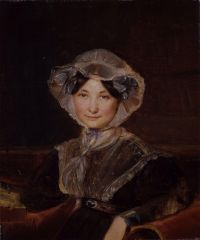 Frances Milton Trollope
 Frances Hodgson BurnettVarious
 Leslie Stephen
 William Henry Giles KingstonSidney Lee
 George A. BirminghamJames De Mille
 Hilaire BellocW. H. Hamilton RogersAnonymous
 Edward Payson Roe