Summary

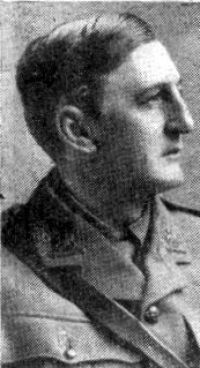
Portrait of A. E. W. Mason A. E. W. Mason The Four Feathers — XVII: The Musoline Overture (1902)

Ethne's violin would tell him assuredly whether he was right or no. Would friendship speak from it or the something more than friendship?
Ethne played the overture, and as she played she forgot that Durrance was in the room behind her. In the garden the air was still and summer-warm and fragrant; on the creek the moonlight lay like a solid floor of silver; the trees stood dreaming to the stars
Source: Wikisource

Portrait of A. E. W. Mason A. E. W. Mason The Four Feathers — XVII: The Musoline Overture (1902)

And with this fancy in her mind she played with such skill as she had never used before; she made of her violin a voice of sympathy. The fancy grew and changed as she played. The music became a bridge swung in mid-air across the world, upon which just for these few minutes she and Harry Feversham might meet and shake hands. They would separate, of course, forthwith, and each one go upon the allotted way. But these few minutes would be a help to both along the separate ways. The chords rang upon silence. It seemed to Ethne that they declaimed the pride which had come to her that day.
Source: Wikisource

Portrait of A. E. W. Mason A. E. W. Mason The Four Feathers — XVII: The Musoline Overture (1902)

But Mrs. Adair, in spite of her perplexities, took her share in the talk, and that dinner passed with a freedom from embarrassment unknown since Durrance had come home to Guessens. For he, too, threw off a burden of restraint; his spirits rose to match Ethne's; he answered laugh with laugh, and from his face that habitual look of tension, the look of a man listening with all his might that his ears might make good the loss of his eyes, passed altogether away.
"You will play on your violin to-night, I think," he said with a smile, as they rose from the table.
Source: Wikisource

Get perspective with Kwize: daily news enlightened by great literature