Summary

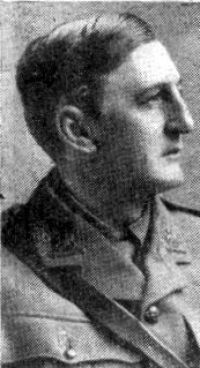
Portrait of A. E. W. Mason A. E. W. Mason The Summons — I: The Olympic Games (1920)

Sir Charles Hardiman rose cumbrously with a shrug of his shoulders. He had done his best, but since Luttrell would talk the question over with Stella Croyle, shoulder to shoulder with her amongst the lights and music, the perfume of her hair in his nostrils and the pleading of her eyes within his sight—he, Charles Hardiman, might as well have held his tongue.
So very likely it would have been. But when great matters are ripe for decisions one way or the other, the little accident as often as not decides.
Source: Wikisource

Portrait of A. E. W. Mason A. E. W. Mason The Summons — I: The Olympic Games (1920)

Hardiman grew anxious. Luttrell had the look of a man overtrained, and it was worry which had overtrained him. His face was a trifle too delicate, perhaps, to go with those remorseless sharp decisions which must be made by the men who win careers.
"I know that you can't go through the world without hurting people," cried Hardiman. "Neither you nor any one else, except the limpets. And you won't escape hurting Stella Croyle, by abandoning your chances. Your love-affair will end—all of that kind do.
Source: Wikisource

Portrait of A. E. W. Mason A. E. W. Mason The Summons — I: The Olympic Games (1920)

Yes, of a certainty, sooner or later Stella Croyle and he would quarrel, so bitterly that all the king's horses and all the king's men could never bring them again together; and over some utterly unimportant matter like the first view of Stockholm.
"Youth has many privileges over age," continued Hardiman, "but none greater than the vision, the half-interpreted recurring vision of wider spaces and greater things, towards which you sail on the wind of a great emotion. Sooner or later, a man loses that vision and then only knows his loss.
Source: Wikisource

Get perspective with Kwize: daily news enlightened by great literature