Summary

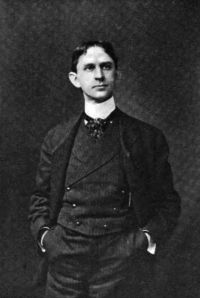
Portrait of Albert Bigelow Paine Albert Bigelow Paine The Boys' Life of Mark Twain — Chapter 13 (1916)

How could the easy-going, dreamy, unpractical man whom the world knew as Mark Twain ever have persisted against discouragement like that to acquire the vast, the absolute, limitless store of information necessary to Mississippi piloting? The answer is that he loved the river, the picturesqueness and poetry of a steamboat, the ease and glory of a pilot's life; and then, in spite of his own later claims to the contrary, Samuel Clemens, boy and man, in the work suited to his tastes and gifts, was the most industrious of persons.
Source: Wikisource

Portrait of Albert Bigelow Paine Albert Bigelow Paine The Boys' Life of Mark Twain — Chapter 13 (1916)

IN that early day, to be a pilot was to be "greater than a king." The Mississippi River pilot was a law unto himself—there was none above him. His direction of the boat was absolute; he could start or lay up when he chose; he could pass a landing regardless of business there, consulting nobody, not even the captain; he could take the boat into what seemed certain destruction, if he had that mind, and the captain was obliged to stand by, helpless and silent, for the law was with the pilot in everything.
Source: Wikisource

Get perspective with Kwize: daily news enlightened by great literature