Summary

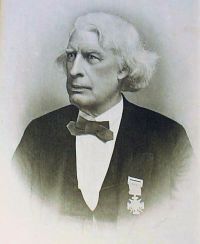
Portrait of Albert Mackey Albert Mackey The Symbolism of Freemasonry — Chapter XXVIII (1882)

In all of these ancient Mysteries, while the sacred plant was a symbol of initiation, the initiation itself was symbolic of the resurrection to a future life, and of the immortality of the soul. In this view, Freemasonry is to us now in the place of the ancient initiations, and the acacia is substituted for the lotus, the erica, the ivy, the mistletoe, and the myrtle. The lesson of wisdom is the same; the medium of imparting it is all that has been changed.
Source: Wikisource

Portrait of Albert Mackey Albert Mackey The Symbolism of Freemasonry — Chapter XXVIII (1882)

The sprig of acacia, then, in its most ordinary signification, presents itself to the Master Mason as a symbol of the immortality of the soul, being intended to remind him, by its evergreen and unchanging nature, of that better and spiritual part within us, which, as an emanation from the Grand Architect of the Universe, can never die.
Source: Wikisource

Portrait of Albert Mackey Albert Mackey The Symbolism of Freemasonry — Chapter XXVIII (1882)

As the evanescent nature of the flower which "cometh forth and is cut down" reminds us of the transitory nature of human life, so the perpetual renovation of the evergreen plant, which uninterruptedly presents the appearance of youth and vigor, is aptly compared to that spiritual life in which the soul, freed from the corruptible companionship of the body, shall enjoy an eternal spring and an immortal youth.
Source: Wikisource

Get perspective with Kwize: daily news enlightened by great literature