Summary

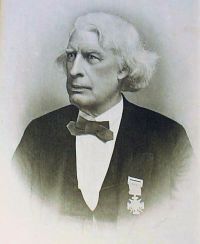
Portrait of Albert Mackey Albert Mackey The Symbolism of Freemasonry — Chapter XXVII (1882)

At every "gate of life"--as the Orientalists have beautifully called the different ages--he is beset by peril. Temptations allure his youth, misfortunes darken the pathway of his manhood, and his old age is encumbered with infirmity and disease. But clothed in the armor of virtue he may resist the temptation; he may cast misfortunes aside, and rise triumphantly above them; but to the last, the direst, the most inexorable foe of his race, he must eventually yield; and stricken down by death, he sinks prostrate into the grave, and is buried in the rubbish of his sin and human frailty.
Source: Wikisource

Portrait of Albert Mackey Albert Mackey The Symbolism of Freemasonry — Chapter XXVII (1882)

But the true ancient interpretation of the legend,--the universal masonic one,--for all countries and all ages, undoubtedly was, that the fate of the temple builder is but figurative of the pilgrimage of man on earth, through trials and temptations, through sin and sorrow, until his eventual fall beneath the blow of death and his final and glorious resurrection to another and an eternal life.
Source: Wikisource

Portrait of Albert Mackey Albert Mackey The Symbolism of Freemasonry — Chapter XXVII (1882)

Here, then, in Masonry, is what was called the aphanism [8] in the ancient Mysteries. The bitter but necessary lesson of death has been imparted. The living soul, with the lifeless body which encased it, has disappeared, and can nowhere be found. All is darkness--confusion--despair. Divine truth--the WORD--for a time is lost, and the Master Mason may now say, in the language of Hutchinson, "I prepare my sepulchre. I make my grave in the pollution of the earth.
Source: Wikisource

Get perspective with Kwize: daily news enlightened by great literature