Summary

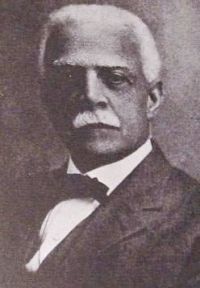
Portrait of Archibald Henry Grimké Archibald Henry Grimké The Ballotless Victim of One-Party Governments

Such is the fate which awaits the American Negro unless he can manage to get the right to vote in the South. And this fate he can not escape so long as he remains a ballotless man—with no weapon of defense against the white man’s race prejudice, which is regnant in his home and church and government and press and mills and shops and trades and schools. It is as impossible for the Negro to escape from his blind alley without the ballot as it is for some foolish fly, imprisoned on a window pane, to find its way to freedom through it.
Source: Gutenberg

Portrait of Archibald Henry Grimké Archibald Henry Grimké The Ballotless Victim of One-Party Governments

The Negro’s Constitutional right to assemble to consider his wrongs is in reality too weak to resist the murderous violence of a Southern mob. The mob burns Negroes and their property almost everywhere in the South with absolute impunity. Nothing is done by the authorities to punish the mob or to protect their victims. And yet both the mob and its victims are American citizens, entitled alike on paper to the law’s protection and amenable alike to its penalties. The white man enjoys a monopoly of the first and the Negro gets the lion’s share of the second.
Source: Gutenberg

Portrait of Archibald Henry Grimké Archibald Henry Grimké The Ballotless Victim of One-Party Governments

The Negro is the great American anomaly. Judged by his rights on paper his citizenship is indisputable, but judged by his rights in fact it is full of mutilations and amputations which disfigure it almost beyond recognition. One-half of it appears in the light clothed with fragments of his rights, and the other half is in eclipse, exposed naked to biting cold and bitter wrong. He appeals to good men and true in the South and in the North and in the Government too, to give him what he is entitled to.
Source: Gutenberg

Get perspective with Kwize: daily news enlightened by great literature