Summary

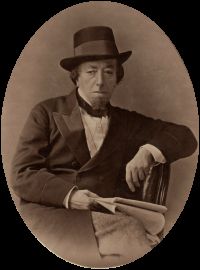
Portrait of Benjamin Disraeli Benjamin Disraeli Tancred — Chapter XVI. Tancred Rescues a Lady in Distress (1847)

Nothing more completely represents a nation than a public building. A member of Parliament only represents, at the most, the united constituencies: but the Palace of the Sovereign, a National Gallery, or a Museum baptised with the name of the country, these are monuments to which all should be able to look up with pride, and which should exercise an elevating influence upon the spirit of the humblest. What is their influence in London? Let us not criticise what all condemn. But how remedy the evil? What is wanted in architecture, as in so many things, is a man.
Source: Wikisource

Portrait of Benjamin Disraeli Benjamin Disraeli Tancred — Chapter XVI. Tancred Rescues a Lady in Distress (1847)

Pancras is like Mary-le-bone, Mary-le-bone is like Paddington; all the streets resemble each other, you must read the names of the squares before you venture to knock at a door. This amount of building capital ought to have produced a great city. What an opportunity for architecture suddenly summoned to furnish habitations for a population equal to that of the city of Bruxelles, and a population, too, of great wealth. Mary-le-bone alone ought to have produced a revolution in our domestic architecture.
Source: Wikisource

Portrait of Benjamin Disraeli Benjamin Disraeli Tancred — Chapter XVI. Tancred Rescues a Lady in Distress (1847)

Tancred Rescues a Lady in Distress
THAT is most striking in London is its vastness. It is the illimitable feeling that gives it a special character. London is not grand. It possesses only one of the qualifications of a grand city, size; but it wants the equally important one, beauty. It is the union of these two qualities that produced the grand cities, the Romes, the Babylons, the hundred portals of the Pharaohs; multitudes and magnificence; the millions influenced by art.
Source: Wikisource

Get perspective with Kwize: daily news enlightened by great literature