Summary

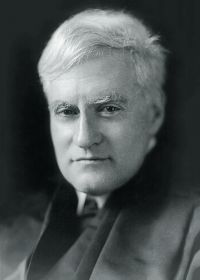
Portrait of Benjamin N. Cardozo Benjamin N. Cardozo Cooper v. Dasher — Opinion of the Court

The drugs, the perfumery, the surgical appliances, and the many miscellaneous articles that make up the stock in trade of a modern drug store should be set forth, the insists, in particular schedules. Only thus, we are told, will the respondent be in a position to understand the mandate to which obedience is due.
Misunderstanding of the mandate is upon the facts in this record an illusory peril. The order gives the only description that the nature of the case allows. The respondent, and no one else, is in a position to supply a better one.
Source: Wikisource

Portrait of Benjamin N. Cardozo Benjamin N. Cardozo Cooper v. Dasher — Opinion of the Court

The description of the merchandise might be much more definite than it is without enabling a marshal to identify a stock in trade, unaided by the advice of those acquainted with the business. Besides, the court is always in reserve, with capacity to act when the dispute becomes acute. If the respondent makes a genuine effort to restore the secreted goods, there will probably be little difficulty in determining whether the tender is sufficient. At present, the marshal is not before us praying for instructions, nor is the respondent yet in jail.
Source: Wikisource

Portrait of Benjamin N. Cardozo Benjamin N. Cardozo Cooper v. Dasher — Opinion of the Court

Let the respondent yield obedience to a mandate intelligible to him, and his liberty is then assured. The law will not be overpatient with his protest that if he persists in his defiance, he may be caught in his own snares.
The form of turnover orders in bankruptcy proceedings has been much considered in the federal courts. It has provoked a difference of opinion.
Source: Wikisource

Get perspective with Kwize: daily news enlightened by great literature