Summary

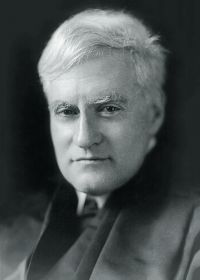
Portrait of Benjamin N. Cardozo Benjamin N. Cardozo Palko v. Connecticut — Opinion of the Court

Right-minded men, as we learn from those opinions, could reasonably, even if mistakenly, believe that a second trial was lawful in prosecutions subject to the Fifth Amendment, if it was all in the same case. Even more plainly, right-minded men could reasonably believe that in espousing that conclusion they were not favoring a practice repugnant to the conscience of mankind. Is double jeopardy in such circumstances, if double jeopardy it must be called, a denial of due process forbidden to the States?
Source: Wikisource

Portrait of Benjamin N. Cardozo Benjamin N. Cardozo Palko v. Connecticut — Opinion of the Court

We reach a different plane of social and moral values when we pass to the privileges and immunities that have been taken over from the earlier articles of the Federal Bill of Rights and brought within the Fourteenth Amendment by a process of absorption. These in their origin were effective against the federal government alone. If the Fourteenth Amendment has absorbed them, the process of absorption has had its source in the belief that neither liberty nor justice would exist if they were sacrificed.
Source: Wikisource

Portrait of Benjamin N. Cardozo Benjamin N. Cardozo Palko v. Connecticut — Opinion of the Court

Reflection and analysis will induce a different view. There emerges the perception of a rationalizing principle which gives to discrete instances a proper order and coherence. The right to trial by jury and the immunity from prosecution except as the result of an indictment may have value and importance. Even so, they are not of the very essence of a scheme of ordered liberty. To abolish them is not to violate a 'principle of justice so rooted in the traditions and conscience of our people as to be ranked as fundamental.' Snyder v.
Source: Wikisource

Get perspective with Kwize: daily news enlightened by great literature