Summary

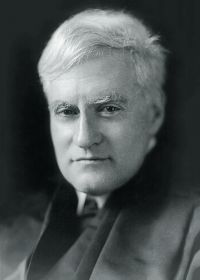
Portrait of Benjamin N. Cardozo Benjamin N. Cardozo Terminal Warehouse Company v. Pennsylvania Railroad Company…

There was no conspiracy to impose upon that business a burden of any kind, except to the extent that the enjoyment of a preference might increase the opportunities for profit of the warehouse so preferred. Of any combination more far-reaching, more inclusive in its aims, there is silence in the record after every reasonable inference has been drawn from its pages.
Source: Wikisource

Portrait of Benjamin N. Cardozo Benjamin N. Cardozo Terminal Warehouse Company v. Pennsylvania Railroad Company…

Discriminatory privileges and payments given by a carrier to a consignor or consignee are unavailing without more to make out a combination in restraint of trade or commerce within the meaning of the anti-trust laws. To lead to that result, the privileges or payments must be the symptoms or incidents of an enveloping conspiracy with its own illegal ends. In the absence of such a showing, a sufferer from discriminatory charges and allowances has his remedy under the Commerce Act for any damage to his business, and that remedy is exclusive against all the parties to the wrong.
Source: Wikisource

Portrait of Benjamin N. Cardozo Benjamin N. Cardozo Terminal Warehouse Company v. Pennsylvania Railroad Company…

If he is remitted to the Commerce Act or the Shipping Act to cancel the illegal preference, may he pass over those acts and revert to the Clayton or the Sherman Act for the purpose of recovering damages? The Commerce Act like the Shipping Act embodies a remedial system that is complete and self-contained. It provides the means for ascertaining the existence of a preference, but it does not stop at that point. As already shown in this opinion, it gives a cause of action for damages not only against the carrier, but also against shippers and consignees who have incited or abetted.
Source: Wikisource

Get perspective with Kwize: daily news enlightened by great literature