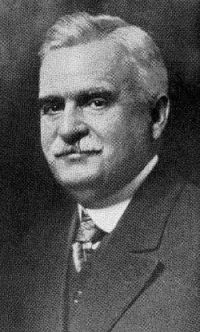
Charles DeLano Hine

Charles DeLano Hine

Summary

Portrait of Charles DeLano Hine Charles DeLano Hine Letters from an old railway official… (1904)

In a primitive state of civilization, when force is law, the military chieftain rules. He makes and breaks his lieutenants at pleasure. The oldest form of organization we have is the military, for armies are older than governments. Every nation has its birth in the throes of battle. Time passes and the chieftain finds his lieutenants insisting on permanency of tenure. Gradually they secure it, and channels of promotion and appointment are defined.
Source: Wikisource

Portrait of Charles DeLano Hine Charles DeLano Hine Letters from an old railway official… (1904)

Reinstatements, unless based on new evidence, are demoralizing to discipline, for the reason that the unworthy employe bumps back to a lower grade some deserving man, whose good service is then reckoned at a discount. Some passenger conductors become so color blind they cannot tell the company’s money from their own. They keep down the wrong lead until the auditor derails them at the spotter’s switch. The ex-conductor gets hungry, the sympathetic grievance committee, not knowing what is for its own best interests, intercedes.
Source: Wikisource

Portrait of Charles DeLano Hine Charles DeLano Hine Letters from an old railway official… (1904)

Some young conductor, who, on the strength of his promotion, has married or bought a home, is set back to braking. This causes some brakeman to carry the mail to the extra list. He quits in disgust and another road, less sympathetic, gets the benefit of his training. Other reinstatements follow and more of the younger men quit. Years go on, a rush of business comes. The management look in vain for promotion material and wonder at the seeming ingratitude in quitting of so many good young men whom it was fully intended to promote—in the sweet by and by.
Source: Wikisource

Get perspective with Kwize: daily news enlightened by great literature