Summary

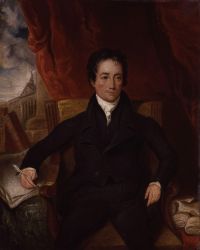
Portrait of Charles Lamb Charles Lamb The Adventures of Ulysses

Ulysses looked again; and he saw, not a shepherd, but a beautiful woman, whom he immediately knew to be the goddess Minerva, that in the wars of Troy had frequently vouchsafed her sight to him; and had been with him since in perils, saving him unseen.
"Let not my ignorance offend thee, great Minerva," he cried, "or move thy displeasure, that in that shape I knew thee not; since the skill of discerning of deities is not attainable by wit or study, but hard to be hit by the wisest of mortals. To know thee truly through all thy changes is only given to those whom thou art pleased to grace.
Source: Gutenberg

Portrait of Charles Lamb Charles Lamb The Adventures of Ulysses

If Circe loved him sincerely, Calypso loves him with tenfold more warmth and passion: she can deny him nothing, but his departure; she offers him everything, even to a participation of her immortality—if he will stay and share in her pleasures, he shall never die. But death with glory has greater charms for a mind heroic than a life that shall never die with shame; and when he pledged his vows to his Penelope, he reserved no stipulation that he would forsake her whenever a goddess should think him worthy of her bed, but they had sworn to live and grow old together
Source: Gutenberg

Portrait of Charles Lamb Charles Lamb The Adventures of Ulysses

What should so poor and old a man as you do at the suitors' tables? Their light minds are not given to such grave servitors. They must have youths, richly tricked out in flowing vests, with curled hair, like so many of Jove's cupbearers, to fill out the wine to them as they sit at table, and to shift their trenchers. Their gorged insolence would but despise and make a mock at thy age. Stay here. Perhaps the queen, or Telemachus, hearing of thy arrival, may send to thee of their bounty.
Source: Gutenberg

Get perspective with Kwize: daily news enlightened by great literature