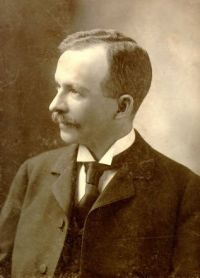
Charles W. Chesnutt

Charles W. Chesnutt

Summary

Portrait of Charles W. Chesnutt Charles W. Chesnutt The Marrow of Tradition — XXXV. (1901)

Jerry's poor flag of truce, his explanations, his reliance upon his white friends, all failed him in the moment of supreme need. In that hour, as in any hour when the depths of race hatred are stirred, a negro was no more than a brute beast, set upon by other brute beasts whose only instinct was to kill and destroy.
"Let us leave this inferno, Ellis," said Carteret, sick with anger and disgust. He had just become aware that a negro was being killed, though he did not know whom. "We can do nothing. The negroes have themselves to blame,--they tempted us beyond endurance.
Source: Wikisource

Portrait of Charles W. Chesnutt Charles W. Chesnutt The Marrow of Tradition — XXXV. (1901)

Crowds of white men and half-grown boys, drunk with whiskey or with license, raged through the streets, beating, chasing, or killing any negro so unfortunate as to fall into their hands. Why any particular negro was assailed, no one stopped to inquire; it was merely a white mob thirsting for black blood, with no more conscience or discrimination than would be exercised by a wolf in a sheepfold. It was race against race, the whites against the negroes
Source: Wikisource

Portrait of Charles W. Chesnutt Charles W. Chesnutt The Marrow of Tradition — XXXV. (1901)

Some of the whites became alarmed, and recognizing the power of the negroes, if armed and conscious of their strength, were impressed by the immediate necessity of overpowering and overawing them. Others, with appetites already whetted by slaughter, saw a chance, welcome rather than not, of shedding more black blood. Spontaneously the white mob flocked toward the hospital, where rumor had it that a large body of desperate negroes, breathing threats of blood and fire, had taken a determined stand.
Source: Wikisource

Get perspective with Kwize: daily news enlightened by great literature