Summary

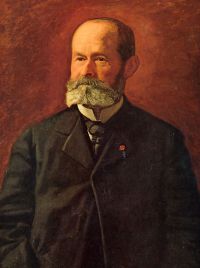
Portrait of Daniel G. Brinton Daniel G. Brinton,  The Calchaqui: An Archeological Problem (1899)

“ All the archeologists agree in one point, and it has been especially emphasized by Ambrosetti—the Catamarcan remains are throughout Incasic, in design, technique, and symbolism. Of this identity of inspiration there can be no question, and it has been shown in a hundred details. We must, therefore, decide whether this was an extension of Incasic culture beyond the jurisdiction of Incasic rule; was it that of a portion of the Incasic state; or, as von Ihering boldly suggests, do we find in the vales of Catamarca the very source and birthplace of the Incasic culture itself? ”
Source: Wikisource

Portrait of Daniel G. Brinton Daniel G. Brinton,  The Calchaqui: An Archeological Problem (1899)

“ All this forcibly impels to the conviction that the Catamarcan culture was essentially Incasic, but that it had already passed to degeneration and destruction before the arrival of the whites, and that the nations these found in the picturesque valleys of Tucumán were not the builders but the destroyers of the ancient glory of the region. ”
Source: Wikisource

Portrait of Daniel G. Brinton Daniel G. Brinton,  The Calchaqui: An Archeological Problem (1899)

“ That the religious ideas expressed in the symbolism of the remains of sacred art in the Catamarcan valleys are strikingly similar to those of the Incasic faith is a strong point which has been well brought out by Ambrosetti. The serpent symbol is expressed in identical technical form; the costumes of gods are often alike; the huacanqui, or love charms, are the same; the Peruvian trinity, tangatanga, recurs in Catamarcan wood-carving, and the curious old man with the long beard (un-Indian as he seems) appears on vases from the Calchaqui region as well as in the legendary figure of Viracocha. ”
Source: Wikisource

Get perspective with Kwize: daily news enlightened by great literature