Summary

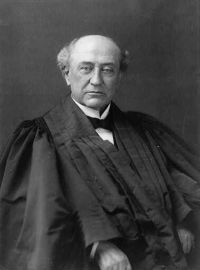
Portrait of David Josiah Brewer David Josiah Brewer Deweese v. Reinhard — Opinion of the Court

Something more than the absence of legal title is necessary to call into action the processes of a court of equity. The right, whatever it may be, and from what source derived, must be not only one not protected by legal title, but in and of itself appealing to the conscience of a chancellor. A court of equity acts only when and as conscience commands; and, if the conduct of the plaintiff be offensive to the dictates of natural justice, then, whatever may be the rights he possesses, and whatever use he may make of them in a court of law, he will be held remediless in a court of equity.
Source: Wikisource

Portrait of David Josiah Brewer David Josiah Brewer Deweese v. Reinhard — Opinion of the Court

What is gained at law by a person of this description, equity will not take from him; but it does not follow that equity will aid his views."
Without, therefore, determining whether the selection and certification of these lands was absolutely void, or simply voidable at the election of the government, or valid, and beyond any right of challenge on the part of the government or any one else, we are of the opinion that equity will not help the plaintiff in his suit
Source: Wikisource

Portrait of David Josiah Brewer David Josiah Brewer Deweese v. Reinhard — Opinion of the Court

In carrying out this policy, in 1841, congress passed an act granting to certain named states, and to each state subsequently admitted into the Union, 500,000 acres of land, to aid in internal improvements; the selection of such lands to be made in such manner as the legislatures of the respective states should provide. Such selections were subject to the approval of the land department of the United States, but, when so made and approved, the lands were to be certified to the state, and such certification was to have all the effect of a patent.
Source: Wikisource

Get perspective with Kwize: daily news enlightened by great literature