Summary

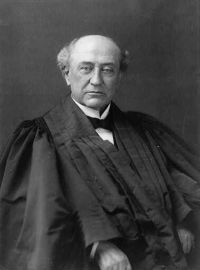
Portrait of David Josiah Brewer David Josiah Brewer Joyce v. Auten — Opinion of the Court

For the plaintiff, though charged to have had knowledge of the facts, is, if in no better, certainly in no worse, position than the payee would have been.
That defense was, in substance, that the receiver was directed in making a sale to retain a lien, as well as to take personal security. The surety knew that such order had been made, expected that it would be complied with, and signed as surety, relying upon compliance; but there is no allegation that he ever notified either his principal or the receiver that he signed upon that condition.
Source: Wikisource

Portrait of David Josiah Brewer David Josiah Brewer Joyce v. Auten — Opinion of the Court

True, he ought, in compliance with the order of the court, to have retained a lien, but his failure so to do was a breach of duty to the estate in his hands, for which failure the estate and its creditors might hold him responsible. Undoubtedly, one may not after receiving the promise of a surety release other securities which he holds to the prejudice of the surety, but a release of security after the receipt of the promise of a surety is very different from a failure to take more security than such promise.
Source: Wikisource

Portrait of David Josiah Brewer David Josiah Brewer Joyce v. Auten — Opinion of the Court

So far as the paper disclosed it was an absolute promise on the part of the principal to pay so much money, and an unconditional guarantee by the surety of such payment. Could the principal defend against an action on this note on the ground that no lien was retained upon the property sold by the receiver and purchased by him? Clearly not. But the paper puts both principal and surety on the same plane. If the surety has any other defense it must be because the writing does not fully express his contract.
Source: Wikisource

Get perspective with Kwize: daily news enlightened by great literature