Summary

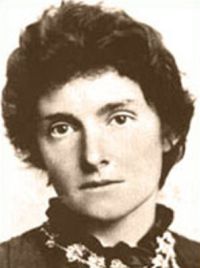
Portrait of E. Nesbit E. Nesbit Salome and the Head — 3. The House with No Address (1909)

Sylvia feasted her eyes.
“It’s a very good haul to-night,” she said greedily. “I hope Uncle Moses will think so, too. Oh! it’s a fine thing to have one talent, Aunt Dusa, dear. If I hadn’t, you’d have been looking out for a situation, Aunt Dusa, dear, and dropping your precious sixpences one by one like salt tears in novels.”
“I’ll put on the milk for the chocolate,” said the mature woman, and went.
Source: Wikisource

Portrait of E. Nesbit E. Nesbit Salome and the Head — 3. The House with No Address (1909)

If you have not lived in the world which sends, or the world which receives such offerings, you would have wondered, even as Mr. Templar would have done, that there should be so much money in the world—money unearned, money just flowing, like an exhaustless stream, into the pockets of those whose utmost efforts could not spend it all—so that in the exuberance of their unearned affluence men willingly spend hundreds of pounds on an offering to an unknown goddess—a popular dancer or actress, on the mere chance of getting for it someday some reward to their low liking
Source: Wikisource

Portrait of E. Nesbit E. Nesbit Salome and the Head — 3. The House with No Address (1909)

Another of the things that neither of them knew was that Denis slept on the other side of Sylvia’s door—lying across it as some faithful dog might have lain. A crutch makes a noise on stairs and passage-floors, but a crippled man can quite quietly creep up and along them, in the dark, with no one to see how funny he looks pulling himself along on hands and one knee, with the helpless, misshapen, useless foot dragging noiselessly behind him. In the dark, even, it is not difficult
Source: Wikisource

Get perspective with Kwize: daily news enlightened by great literature