Summary

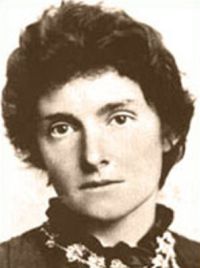
Portrait of E. Nesbit E. Nesbit Salome and the Head — 9. The Widow (1909)

Templar did not doubt that what Sylvia endured was agony, and that her inspired dancing only just served bravely to hide a breaking heart. This was at first: presently he began to wonder whether suffering could be so bravely hidden—whether, after all, the wreck of that love-argosy on which they had together ventured the cargo of their happiness, was less to her than it was to him. The thought stung. Well, women were slighter things than men—lighter, more swayed by the world.
Source: Wikisource

Portrait of E. Nesbit E. Nesbit Salome and the Head — 9. The Widow (1909)

His love for her had so much of the unselfish tenderness that differentiates love from mere passion that he was careful to remember how the sight of him might affect her in her dancing. He would not risk anything that might make what she had chosen to do harder for her. So he did not take a box, which he would have liked to do, and watch quite closely the pretty mazes that her pretty feet trod—the innocent alluring curves of arms and neck.
Source: Wikisource

Portrait of E. Nesbit E. Nesbit Salome and the Head — 9. The Widow (1909)

People who did not care for dancing came to see her, dragged by enthusiastic friends and relations—came, and thereafter did care. People who had meant to go away for their summer holidays stayed in London, that they might see her again and yet again, before her holidays, too, should begin.
The frenzy of intrigued curiosity in journalists and in men who were not journalists grew to fever-point. London was mad about her.
And while the splendour of the War Dance was fresh in the eyes of men and in the columns of the newspapers, she turned all her thought and care to Denny’s symphony.
Source: Wikisource

Get perspective with Kwize: daily news enlightened by great literature