Summary

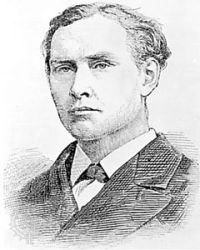
Portrait of Edward Whymper Edward Whymper Scrambles amongst the Alps — Chapter 10 (1871)

Snow couloirs are nothing; more or less than gullies partly filled by snow. They are most useful institutions, and may be considered as natural highways placed, by a kind Providence, in convenient situations for getting over places which would otherwise be inaccessible. They are a joy to the mountaineer, and, from afar, assure him of a path when all beside is uncertain; but they are grief to novices, who, when upon steep snow, are usually seized with two notions—first, that the snow will slip, and secondly, that those who are upon it must slip too.
Source: Wikisource

Portrait of Edward Whymper Edward Whymper Scrambles amongst the Alps — Chapter 10 (1871)

Most of those which fall from the rocks of a couloir, sooner or later spin down the snow which fills the trough; and, as their course and pace are more clearly apparent when falling over snow than when jumping from ledge to ledge, persons with lively imaginations are readily impressed by them. The grooves which are usually seen wandering down the length of snow couloirs are deepened (and, perhaps, occasionally originated) by falling stones, and they are sometimes pointed out by cautious men as reasons why couloirs should not be followed.
Source: Wikisource

Portrait of Edward Whymper Edward Whymper Scrambles amongst the Alps — Chapter 10 (1871)

But practised mountaineers would naturally look to them for a path, and would follow them almost as a matter of course, unless they turned out to be filled with ice, or too much swept by falling stones, or the rock at the sides proved to be of such an exceptional character as to afford an easier path than the snow.
Couloirs look prodigiously steep when seen from the front, and, so viewed, it is impossible to be certain of their inclination within many degrees.
Source: Wikisource

Get perspective with Kwize: daily news enlightened by great literature