Summary

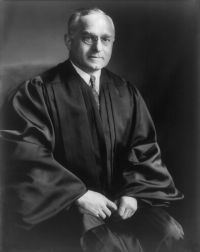
Portrait of Felix Frankfurter Felix Frankfurter Feldman v. United States — Opinion of the Court

The prohibition against compelled testimony which the Court today has seen fit to restrict cannot cannot be dissociated from the other specific protections afforded the individual by the Bill of Rights. The founders of our federal government were too close to oppressions and persecutions of the unorthodox, the unpopular, and the less influential, to trust even elected representatives with unlimited powers of control over the individual.
Source: Wikisource

Portrait of Felix Frankfurter Felix Frankfurter Feldman v. United States — Opinion of the Court

The first of the ten amendments erected a Constitutional shelter for the people's liberties of religion, speech, press, and assembly. This amendment reflects the faith that a good society is not static but advancing, and that the fullest possible interchange of ideas and beliefs is essential to attainment of this goal. The proponents of the First Amendment, committed to this faith, were determined that every American should possess an unrestrained freedom to express his views, however odious they might be to vested interests whose power they might challenge.
Source: Wikisource

Portrait of Felix Frankfurter Felix Frankfurter Feldman v. United States — Opinion of the Court

The Government here is not seeking to benefit by evidence which it extorted. It had no power either to compel testimony in the state court or to forestall such disclosure as a means of avoiding possible interference with the enforcement of the federal penal code. Whether testimony in a New York court should be compelled in exchange for immunity from prosecution under the penal laws of New York is for New York to say. For what purposes the United States may deem the disclosure of testimony more important than prosecution for federal crimes is for Congress to say.
Source: Wikisource

Get perspective with Kwize: daily news enlightened by great literature