Summary

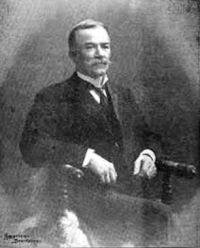
Portrait of Frank Benton Frank Benton The honey bee: a manual of instruction in apiculture (1899)

When forage is scarce in the field, bees belonging to different colonies often wage fierce wars over the stores already in hives. Thousands are killed and the victors relentlessly carry off as booty every drop of honey from the vanquished hive, leaving its bees to starve miserably. A great stir and loud buzzing in the hive of the conquerors attests their rejoicing over the ill-gotten gains.
Source: Gutenberg

Portrait of Frank Benton Frank Benton The honey bee: a manual of instruction in apiculture (1899)

But if swarming complications arise the whole of the bee keeper's skill and ingenuity may again be called into requisition to keep the forces together and storing in the surplus receptacles. Should the expected harvest not come—that is, should the flowers from which the yield is anticipated not secrete honey, or should they bloom when the weather would not permit the bees to fly—of course no amount of skill could make up the deficiency.
Source: Gutenberg

Portrait of Frank Benton Frank Benton The honey bee: a manual of instruction in apiculture (1899)

This absurd theory that bees can not have access to pollen in winter without detrimental results can best be answered by referring to the well-known fact that a colony in a large box or straw hive, freely ventilated, yet having some part of the hive protected from drafts of air and kept dry, will almost invariably come out strong in the spring if populous in the fall, heavy with honey, and having a young and vigorous queen.
Source: Gutenberg

Get perspective with Kwize: daily news enlightened by great literature