Yield

Definition and stakes

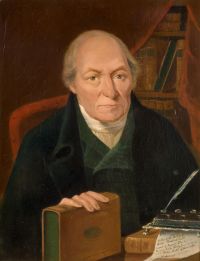
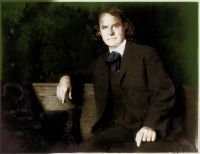
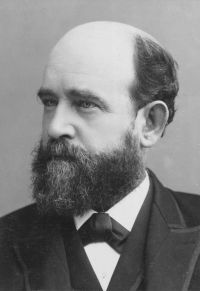
Portrait of Henry Ward Beecher Henry Ward Beecher,  Pleasant Talk About Fruits, Flowers and Farming

“ If you owned a mill, which of two millers would you choose—the one who could make forty pounds of flour to the bushel, or the one who could make forty-five—the quality being equally good? Of two acres of land, which would you choose—the one which would yield fifteen bushels of wheat, or the one which, with the same cultivation, would yield thirty? Our farmers are willing enough to hunt for good lands; but why, on the same reasons, should they not hunt for the best breeds of cows, cattle hogs, and horses? ”
Source: Gutenberg

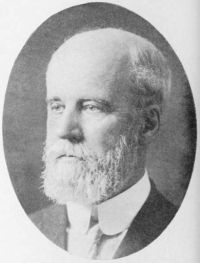
Geo. T. Fairchild,  Rural Wealth and Welfare: Economic Principles Illustrated and Applied in Farm Life

“ If the difference is simply in yield for a given amount of labor, the land which yields thirty bushels of wheat to the acre, when land which yields twenty bushels can be had for the taking, will be worth ten bushels of wheat a year, and its value will be estimated in dollars at a sum which securely at interest will bring a similar return. ”
Source: Gutenberg

Portrait of James Champlin Fernald James Champlin Fernald,  English Synonyms and Antonyms

“ The yield is what the land gives up to the farmer's demand; we speak of the return from an expenditure of money or labor, but of the yield of corn or oats. Harvest has also a figurative use, such as crop more rarely permits; we term a religious revival a harvest of souls; the result of lax enforcement of law is a harvest of crime. As regards time, harvest, harvest-tide, and harvest-time alike denote the period or season when the crops are or should be gathered (tide being simply the old Saxon word for time) . ”
Source: Gutenberg

Get perspective with Kwize: daily news enlightened by great literature