“ The combs of diseased colonies which contain brood may be assembled over a single one of these colonies, or, if the amount of brood be too great for one colony to care for, over several such diseased colonies, until the young bees have emerged. All of the honey is then to be extracted. While it is wholesome as food, it should not be offered for sale, lest some of it be used in feeding bees or be inadvertently exposed where foraging bees might find it and carry to their hives the germs of this disease, harmless to other creatures but so fatal to bee life. ”
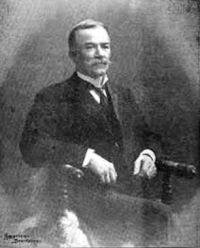
Frank Benton
Summary
Frank Benton’s Bee Keeping is a practical manual offering insights into apiculture, focusing on hive management, disease prevention, and increasing honey yield. Written with precision, it addresses techniques for handling swarms, outdoor wintering, and the critical role of bee races like Carniolans and Italians in maintaining colony health.
The text emphasizes the balance between bee behavior, environmental conditions, and human involvement, warning against practices that risk brood loss or the spread of disease. Benton’s work remains a foundational guide for apiarists, underscoring the delicate interplay between scientific approach and the natural rhythms of bee colonies.
Quotes from Bee Keeping (Frank Benton)
“ Indeed, one not accustomed to the notes of bees is very likely, unconsciously, to dodge his head about when a worker buzzes uncomfortably close to his face. It may be a movement of but an inch or two, but perhaps a quick jerk, and being noticed by the suspicious guard is resented; a sting follows, and yet the recipient declares that he did nothing to cause the attack, but that bees merely hate him and always sting him when he approaches them. ”
“ Then, if the bee keeper destroys all queen cells before the tenth day, swarming will again be checked. But to prevent swarming by keeping colonies queenless longer than a few days at most is to attain a certain desired result at a disproportionate cost, for the bees will not store diligently when first made queenless, and the whole yield of honey, especially if the flow is extended over some time, or other yields come later in the season, is likely or even nearly sure to be less from such colonies, while the interruption to brood roaring may decimate the colony and prove very disastrous to it. ”
