Packing, originating from the act of enclosing or arranging items, includes both practical and therapeutic aspects. As a controversial autism treatment, it entails wrapping individuals in cold, damp sheets to realign bodily awareness, a technique questioned for its effectiveness and ethical implications. Authors such as Fritz Reuter described its physical restrictions, while Jerome K.
Jerome humorously emphasized its logistical difficulties in travel. Harvey Riley examined packing as a means of transport, contrasting it with wagons, and Dillon Wallace characterized it as the skill of transporting goods along trails. These differing viewpoints—from medical application to daily use—illustrate packing’s complex role, shifting between care, trade, and debate, as shown by its disputed position in autism therapies.
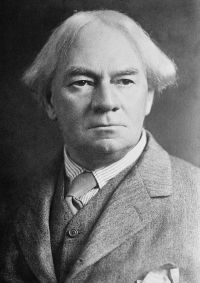 Jerome Klapka Jerome,
Three Men in a Boat
(1889)
Jerome Klapka Jerome,
Three Men in a Boat
(1889)