Summary

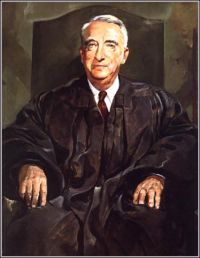
Portrait of Fred M. Vinson Fred M. Vinson National Carbide Corporation v…

Not do the contracts between Airco and petitioners by which the latter agreed to pay all profits above a nominal return to the former, on that account, become 'agency' contracts within the meaning of our decisions. The Tax Court felt that the fact that Airco was entitled to the profits by contract shows that the income 'belonged to Airco' and should not, for that reason, be taxed to petitioners. Our decisions requiring that income be taxed to those who earn it, despite anticipatory agreements designed to prevent vesting of the income in the earners, foreclose this result.
Source: Wikisource

Portrait of Fred M. Vinson Fred M. Vinson National Carbide Corporation v…

What we have said does not foreclose a true corporate agent or trustee from handling the property and income of its owner-principal without being taxable therefor. Whether the corporation operates in the name and for the account of the principal, binds the principal, by its actions, transmits money received to the principal, and whether receipt of income is attributable to the services of employees of the principal and to assets belonging to the principal [19] are some of the relevant considerations in determining whether a true agency exists.
Source: Wikisource

Portrait of Fred M. Vinson Fred M. Vinson National Carbide Corporation v…

So far as control is concerned, we can see no difference in principle between Airco's control of petitioners and that exercised over Moline Properties, Inc., by its sole stockholder. Undoubtedly the great majority of corporations owned by sole stockholders are 'dummies' in the sense that their policies and day-to-day activities are determined not as decisions of the corporation but by their owners acting individually.
Source: Wikisource

Get perspective with Kwize: daily news enlightened by great literature