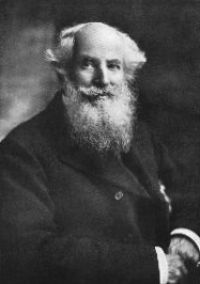
Frederick James Furnivall

Frederick James Furnivall

Summary

Portrait of Frederick James Furnivall Frederick James Furnivall Dictionary of National Biography… (1891)

As a poet, Hoccleve compares with Lydgate. Both evidently knew Chaucer (see as to Hoccleve ‘De Regimine,’ p. 67) , whom they praise most heartily, and the best portrait of Chaucer as an old man appears in a copy of Hoccleve's ‘De Regimine’ in the Harleian MS. 4866, leaf 91. Hoccleve has no poem so lifelike as Lydgate's ‘London Lackpenny,’ and shows no sign of humour; but he has not written so much dreary verse as Lydgate. The ‘De Regimine’ is, however, very poor. Hoccleve is best in his religious poems
Source: Wikisource

Portrait of Frederick James Furnivall Frederick James Furnivall Dictionary of National Biography… (1891)

He also confesses himself a coward, and fond of treating ‘Venus femel lusty children deer’ to sweet wine and wafers. He haunted the taverns and cookshops at Westminster (ll. 177–84) . When he wrote his best-known work, ‘De Regimine’ (1411–12) , he lived at ‘Chestres Inne, right fast by the Stronde’ (De Reg. p. 1) .
Source: Wikisource

Portrait of Frederick James Furnivall Frederick James Furnivall Dictionary of National Biography… (1891)

Harrison unluckily began his ‘Description of England’ by turning into words ‘maister Thomas Sackfords cardes’ or ‘Charts of the seuerall prouinces of this realme,’ describing the courses of rivers, &c.; but once clear of these in book i., he gave in book ii. a very valuable account of the institutions and inhabitants of England, their food, dress, houses, &c.
Source: Wikisource

Get perspective with Kwize: daily news enlightened by great literature