“ We are apt, my dear Count, to fancy in our youth that the sweet cup of life has not a drop of bitter; but we all soon discover that it is not so. With life, as with everything else, we find the bright and delightful scattered thinly amidst an immensity of baser matter. Those who seek pearls are obliged to plunge into the deep briny sea to drag them up, and even then perchance, out of every shell, ten will be worthless; but did we find pearls hanging amongst grapes, or diamonds at the roots of roses, we should value neither one nor the other as they merit. ”
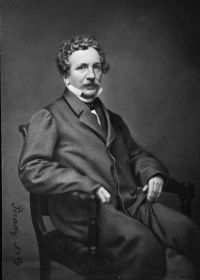
G. P. R. James
Summary
"De L'Orme," penned by G. P. R. James in the 19th century, is a novel rich in the complexities of honor, love, and moral struggle, set against the backdrop of the Château de l'Orme. Centered on characters such as the Count de Soissons, Helen, and the Chevalier de Montenero, the narrative examines themes of duty against desire, the delicacy of human relationships, and the looming presence of societal decline.
Through striking portrayals of smugglers, noble conspiracies, and personal sacrifice, James investigates the clash between idealism and reality, ultimately offering a reflection on the lasting strength of memory and the fleeting nature of human achievement.
Quotes from De L'Orme (G. P. R. James)
“ The inn where you sleep will not be burnt down, thieves will not break into it, the rafters will not give way, and the walls fall in. Sir, I am a physiognomist, a chiromancer, and astrologer. I am no necromancer, however--I neither evoke spirits, nor use magic, white or black.""No, no," replied Achilles, grinning till an improper connection seemed likely to take place between his mouth and his ears--"no, no, you may be chiromancer and astrologer, but you are no conjurer; that is clear enough.""Silence, Achilles," cried I; "let him pursue his own follies, and follow me on." ”
“ Surely the wish to be remembered with affection is hardly a weakness. The warrior's or the poet's hope of immortality on earth--the laurel that binds the lyre or the sword--is perhaps the most daring, yet the emptiest of all imaginative vanities; but there is something holier and sweeter in the dream of living in the love of those that have known us--it is, indeed, prolonging attachments beyond the grave, and perhaps derives its charm from an innate feeling in the breast of man, that friends part not here for ever. ”
