Summary

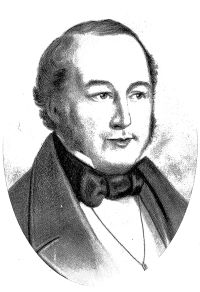
Portrait of George Fletcher Moore George Fletcher Moore Extracts from the letters and journals of George Fletcher Moore…

The white cockatoos are very numerous, and now feed upon the flower of the red gum tree, which lately came into blossom. There are three or four species of the cockatoo, white, black, grey, and black with a red tail. The parrots are small and green, the neck ornamented with a gold ring. The pigeons are beautiful, with a bronze-coloured wing. Many birds have singular calls or cries, and our crow makes a most dismal noise, terminated by a long doleful cry. The white cockatoo screams like a clucking hen disturbed from her nest, and the black one whines like a discontented pug dog.
Source: Wikisource

Portrait of George Fletcher Moore George Fletcher Moore Extracts from the letters and journals of George Fletcher Moore…

Ants in great quantities and of many varieties of size and colour, from the lion ant, an inch long, to the small brown ant, which can insinuate itself into the most minute crevice. These seize upon whatever is eatable, and devour it in a short time. The ground seems alive with white ants, and the trees swarm with them inside and out; every thing here teems with life.
Source: Wikisource

Portrait of George Fletcher Moore George Fletcher Moore Extracts from the letters and journals of George Fletcher Moore…

The alluvial flats are covered with a luxuriant crop of grasses. But on the table lands the grass is not abundant. There has now been a year's experience of the capability of the soil, and there is no doubt that it can abundantly produce any grain, fruit, vegetable, tree, or shrub, which belongs to its parallel of latitude. The sandy loam is considered the best for present purposes, the stiff clay lands being difficult to break up, and requiring more time and labour than many are willing to bestow.
Source: Wikisource

Get perspective with Kwize: daily news enlightened by great literature