Summary

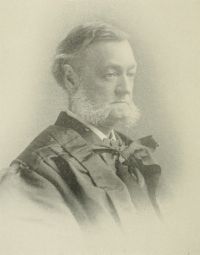
Portrait of George Shiras, Jr. George Shiras, Jr. Holly v. Domestic and Foreign Missionary Society of the Protestant Episcopal Church…

This is a case in which a court of equity is called upon to decide upon which of two innocent parties is to fall a loss caused by the dishonesty of a third person. The relation that existed between Thompson and the missionary society was that of executor and legatee; between Thompson and Holly, that of attorney and client. As between themselves, Holly and the missionary society were absolute strangers.
Source: Wikisource

Portrait of George Shiras, Jr. George Shiras, Jr. Holly v. Domestic and Foreign Missionary Society of the Protestant Episcopal Church…

While such use and application of the money might not exonerate the society from liability, if they had received the money in circumstances that visited them with notice of Thompson's dishonest conduct towards Holly, yet if the money, received in good faith by the legatee, had actually and bona fide been applied and expended for the use of the beneficial purposes appointed in the will, without knowledge of Holly's claim, or, indeed, that such a man existed, we think a court of equity would refuse to hold the society as a trustee ex maleficio.
Source: Wikisource

Portrait of George Shiras, Jr. George Shiras, Jr. Holly v. Domestic and Foreign Missionary Society of the Protestant Episcopal Church…

Our examination of the pleadings and evidence fails to show any such dereliction of duty or supine negligence on the part of the missionary society in demanding and enforcing payment of the Saul legacy as would show, or even tend to show, that the society knew, or had reason to believe, that Thompson was insolvent or had been guilty of any misappropriation of the property or funds of the Saul estate. It is true that the legacy was not paid as promptly as the society had reason to expect, but there was nothing unusual about such a delay.
Source: Wikisource

Get perspective with Kwize: daily news enlightened by great literature