Summary

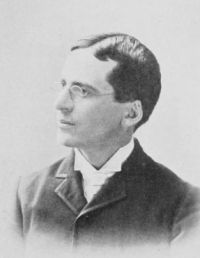
Portrait of George Willis Botsford George Willis Botsford The Mentor: Julius Cæsar, Vol. 6…

There are thrilling moments, for example, in the description of the ever-threatening danger of Sabinus, or the exciting escape of Cicero, when the fort of Aduatuca was endangered by a swoop of German marauders. Throughout the story the natives, with their inferior civilization, their perfidies and duplicities, are mere pigmies in the clutches of a giant. Like an irresistible force of nature, the great Roman tramples down everything in his path.
Source: Gutenberg

Portrait of George Willis Botsford George Willis Botsford The Mentor: Julius Cæsar, Vol. 6…

While he was in the Orient the glamor of Alexander’s achievements seems to have overcome him; and under this spell he neglected the work of improving the empire to plan the conquest of the great Parthian kingdom, Rome’s only surviving rival. In this scheme the conqueror got the better of the statesman. A motive to the new war, in itself unnecessary, was to escape from the situation at Rome—from flattery, intrigue, the incompetence of officials, from deadly though silent envy and hatred, which were making his life every day more unendurable.
Source: Gutenberg

Portrait of George Willis Botsford George Willis Botsford The Mentor: Julius Cæsar, Vol. 6…

The colossal statue in the Palazzo Spada, a detail of which is given in this number, has long passed as the image at the feet of which Cæsar met his death; but the proof is insufficient, and it seems at least as likely that it represents an emperor. Other portraits are equally uncertain. The Madrid bust of Cicero is genuine, and well represents the orator’s great intelligence with a momentary expression of scorn. The better-known Vatican head, the bust of which is modern, is also genuine and stands second in merit. For Cleopatra there are no certain sculptural portraits.
Source: Gutenberg

Get perspective with Kwize: daily news enlightened by great literature