Summary

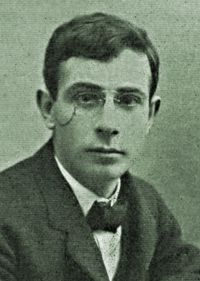
Portrait of Gustavus Myers Gustavus Myers The History of Tammany Hall

Trades unions and mechanick societies are only self-protective against the countless combinations of aristocracy; boards of bank and other chartered directories; boards of brokers; boards of trade and commerce; combinations of landlords; coal and wood dealers; monopolists and all those who grasp at everything and produce nothing. If all these combinations are suffered to exist, why are trades unions and combinations of workingmen denounced? Should they not have an equal chance in the pursuit of life, liberty and happiness?
Source: Gutenberg

Portrait of Gustavus Myers Gustavus Myers The History of Tammany Hall

In most men’s minds a certain spell of wonder attaches to the career and character of the Tammany Society and Tammany Hall. The long continuance of this dual power; its control of the city, infrequently interrupted, throughout the century; the nature of its principles, the method of its practices and the character of its personnel—all these combine to furnish a spectacle which exerts over the general mind a peculiar and strong fascination.
Source: Gutenberg

Portrait of Gustavus Myers Gustavus Myers The History of Tammany Hall

For more than ten years 50,000 voters obeyed his commands, and it was he and not the people to whom a host of office-holders, contractors, and all who profited directly or indirectly from politics, looked as the source of their appointment, employment or emolument. On more than one occasion Kelly complained of his onerous duty of providing government for New York City. The secret of his control was the same as that of Tweed and of the previous cliques: he knew that a large part of the voting mass cared nothing for good government, but looked upon politics solely as a means of livelihood
Source: Gutenberg

Get perspective with Kwize: daily news enlightened by great literature